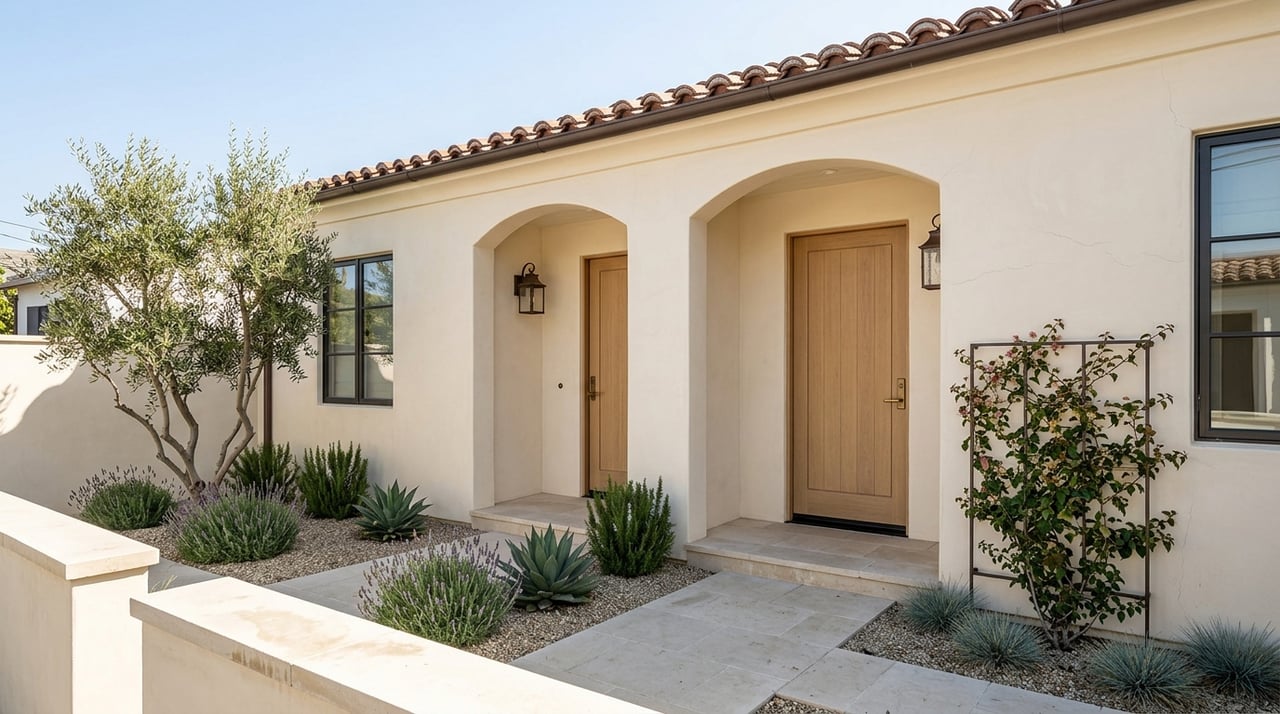
Glendale Duplex Rental Advice: A Starter Guide for Landlords
May 7, 2026
May 7, 2026
Turning a Glendale duplex into a rental can look simple at first, but the details matter fast. Between local rental rules, California notice requirements, fair housing standards, and pricing decisions, one early mistake can cost you time, money, and peace of mind. This guide walks you through the key steps so you can move forward with more confidence and a clearer plan. Let’s dive in.
Before you list the unit, confirm which rules apply to your property. In Glendale, the Rental Rights Program is the city’s main resource for landlord-tenant questions, and it should be your first stop if you need local guidance.
For duplex owners, the big issue is often whether the property is covered by Glendale’s Just Cause Eviction ordinance. City materials say properties with fewer than three units are exempt, and city guidance also states that parcels with two units only are exempt. That means many Glendale duplexes may be exempt from the city’s local just-cause rules, but you should confirm your exact property setup and owner-occupancy status before you rely on an exemption.
Even if your duplex is exempt from Glendale’s local ordinance, California law may still apply. The California Attorney General says most properties more than 15 years old are subject to the statewide rent cap, including duplexes when the landlord does not live there. So your property may be exempt locally while still subject to state rent cap and notice rules.
Glendale materials also describe added requirements for non-exempt properties. These can include a written minimum one-year lease at the time of a rent increase and possible relocation obligations when a tenant vacates because of a rent increase above 7% in 12 months. That is one reason it helps to think through your starting rent carefully from day one.
A good asking rent is not just about getting the highest number possible. It is about finding a price that fits the Glendale market, attracts solid applicants, and reduces the need for large rent jumps later.
One smart approach is to use several local reference points instead of relying on a single website. April 2026 listing data from Apartments.com showed average asking rents in Glendale at about $2,100 for a one-bedroom and $2,665 for a two-bedroom. HUD’s revised FY2026 Fair Market Rents for the Los Angeles-Long Beach-Glendale metro area were higher, at $2,328 for a one-bedroom and $2,903 for a two-bedroom.
Those numbers are best used as guideposts, not as an exact answer for your unit. Your actual rent will depend on factors like condition, layout, parking, laundry, upgrades, outdoor space, and location within Glendale.
If you plan to market to voucher households, Glendale Housing Authority payment standards can give you a more local pricing benchmark. The city posts 2026 voucher payment standards by ZIP code and bedroom size, which can help explain why some areas support different rent levels than others.
This matters because Glendale is not one-size-fits-all. A duplex unit with strong practical features in one part of the city may compete in a different pricing band than a similar-size unit elsewhere.
Your first rent decision can affect your flexibility later. California’s statewide rent cap limits many properties to annual increases of 5% plus inflation or 10%, whichever is lower, and all increases must be in writing. The Attorney General also says increases above 10% require 90 days’ notice.
On top of that, Glendale materials note that rent increases above 7% in a 12-month period can trigger relocation obligations in covered situations. In practice, that means an aggressive underpricing strategy now could create a harder conversation later if you need to catch up.
If you are a first-time landlord, screening can feel personal. It should not be. The safest approach is to create a written process and apply it the same way to every applicant.
HUD’s 2024 screening guidance recommends a written, public, and detailed screening policy. That policy should explain what records you review, how far back the review goes, how an applicant can submit mitigating information, how disability accommodations can be requested, and how inaccurate or irrelevant records can be challenged.
This kind of structure protects both you and the applicant. It makes your decision-making clearer, more consistent, and easier to document.
Your screening standards should be easy to understand before anyone applies. A simple written policy can include:
The key is consistency. Publish the standards first, apply them evenly, and document how each application was reviewed.
Fair housing rules apply from the start of your rental process. Glendale and California prohibit discrimination in housing based on protected characteristics and source of income, including Section 8 vouchers.
Glendale also notes that discriminatory advertising, different terms, and steering are prohibited. California’s Civil Rights Department says a policy that refuses every applicant with a criminal history can be discriminatory if it is used as a blanket rule.
HUD also favors individualized review over automatic exclusions. For many Glendale landlords, the practical takeaway is simple: focus on objective criteria, review each file carefully, and avoid instinct-based decisions.
If you use a tenant screening or background check company, there are extra rules to follow. The Federal Trade Commission says these reports are consumer reports under the Fair Credit Reporting Act.
That means you need a permissible purpose to use the report. If you deny an application based on that report, you must notify the applicant and provide the screening company’s contact information along with notice of the applicant’s right to get a free copy and dispute the report.
A strong rental ad should describe the home, not your ideal tenant. Glendale fair housing guidance makes this especially important because discriminatory advertising is prohibited.
The best listing language is factual and easy to scan. Focus on the features, terms, and process rather than personal preferences.
A clean, compliant rental listing should cover details like:
This helps applicants decide quickly whether the unit is a fit. It also gives you a more efficient starting point when inquiries come in.
In Glendale, you cannot refuse applicants based on source of income, which includes Section 8 vouchers. If you want to market to voucher households, Glendale Housing Authority resources can help you understand payment standards and program expectations.
The city also states that the owner remains responsible for screening and approving tenancy. In other words, voucher-friendly marketing can widen your applicant pool, but you should be ready for paperwork, inspection timing, and program rules before you advertise that way.
Some owners enjoy hands-on management. Others quickly realize they would rather not handle compliance questions, maintenance coordination, turnover, and screening logistics alone.
For a first-time Glendale landlord, professional help can be especially useful when you are converting a duplex for the first time. A local real estate professional can help you evaluate rent comps, position the property, market the unit, and support tenant placement.
Legal help is also worth bringing in early when the issue is more than routine. Glendale’s Rental Rights Program is a good first resource for general questions, but the California Attorney General specifically advises consulting an attorney before serving notices, claiming an exemption, or deciding whether a rent increase or termination is lawful.
Tax planning also matters sooner than many owners expect. IRS Publication 527 says residential rental income and expenses are generally reported on Schedule E, and mixed personal and rental use or major improvements can change how expenses are allocated. If you live onsite or plan substantial upgrades, it is smart to talk with a CPA or tax preparer before the first lease begins.
If you want a straightforward way to organize your next steps, use this list:
A little setup on the front end can save a lot of stress later.
If you are getting ready to turn a Glendale duplex into a rental, the goal is not just to fill the unit fast. It is to price it well, market it clearly, screen fairly, and set up a process you can repeat with confidence. If you want local guidance on Glendale rent comps, rental positioning, tenant placement, or your next investment move, reach out to Mounika Haftavani for a free consultation.
Stay up to date on the latest real estate trends.




Mounika thrives on helping her clients realize their goals by taking the time to explain the process and being the person they can trust when making one of the most important investments of their lives.