Thinking about a remodel, new roof, or an ADU at your Burbank home? Permits can feel confusing, and it is easy to underestimate the steps involved. You want to do the work right, protect your investment, and avoid delays during resale. In this guide, you will learn when permits are needed, how the process works, typical timelines, and how to pass inspections on the first try. Let’s dive in.
Do you need a permit in Burbank?
Burbank enforces the California Building Standards Code, known as Title 24, with local amendments in the Burbank Municipal Code. That means most structural, electrical, plumbing, mechanical, and energy‑related work needs a permit.
Work that commonly requires a permit:
- Structural changes: removing load‑bearing walls, adding openings, additions, and foundation work.
- Additions and remodels: projects that change the footprint or add conditioned space, and many kitchen or bath remodels that move plumbing, gas, or wiring.
- New construction: ADUs, garages, carports, and major accessory structures.
- Electrical: new circuits, panel upgrades, service changes, outlets in certain locations, solar PV, and battery systems.
- Plumbing: moving or adding fixtures, sewer line work, gas lines, and water heater replacements with new connections.
- Mechanical/HVAC: new systems, furnace or AC replacements when ducts or venting change, gas appliances.
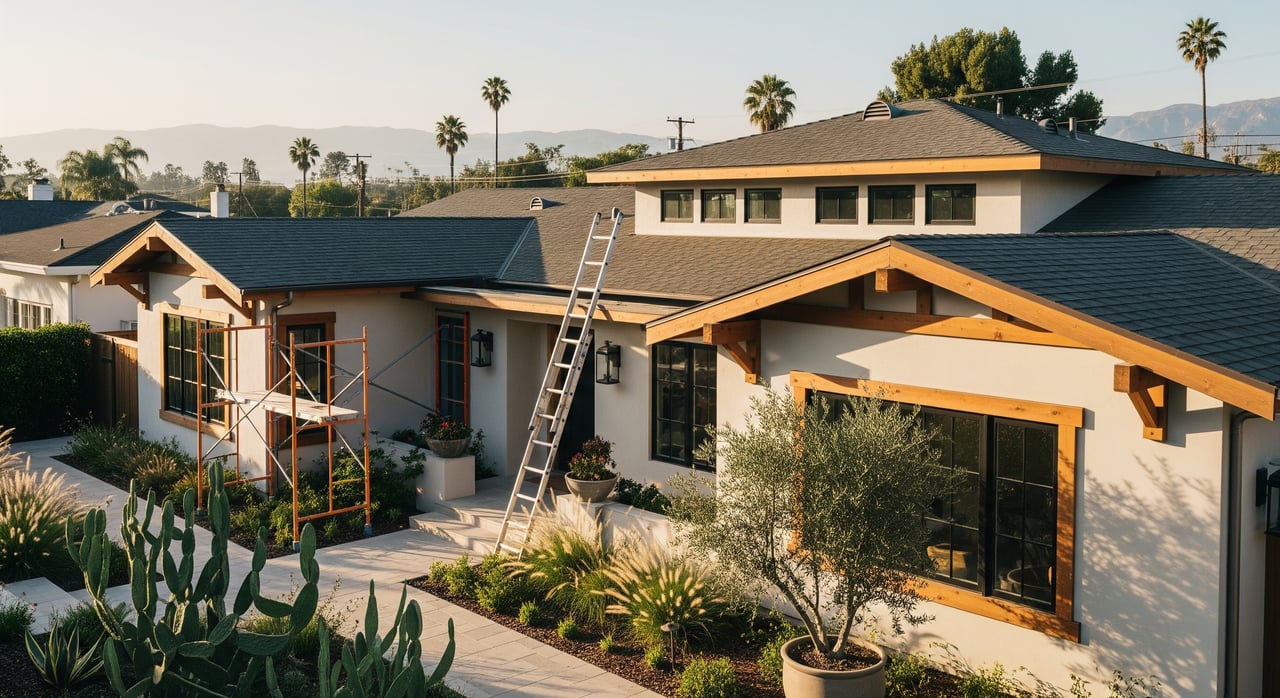
- Roofing: re‑roof or tear‑off permits are commonly required, including checks for ventilation and flashing.
- Windows and exterior doors: size changes, structural openings, and replacements that affect egress or energy compliance.
- Pools and spas: including required safety barriers, bonding, and equipment clearances.
- Demolition: partial or full, plus many retaining walls above height thresholds.
- Grading and drainage: significant site work or retaining walls.
Work that may be exempt in some cases:
- Cosmetic updates: painting, wallpaper, most flooring, and countertops that do not alter plumbing, electrical, or structure.
- Minor repairs: that do not change systems or structure.
- Small sheds or accessory structures: some may be exempt below size thresholds, but you should confirm with Burbank first.
When in doubt, call the City of Burbank Building Division to confirm your project’s permit needs before you start.
Owner‑builder vs licensed contractor permits
California allows many homeowners to pull an owner‑builder permit for work on an owner‑occupied home, but you must follow state rules and disclosures. Specialized trades and larger projects often require a licensed contractor under Contractors State License Board requirements. Always verify contractor licenses and insurance, and clarify who will pull the permit in your contract. If you plan to sell later, documented permits and final approvals help prevent delays with buyers, lenders, and insurers.
How the Burbank permit process works
Here is the standard path from idea to final sign‑off:
- Pre‑application check
- Contact the Planning Division to confirm zoning, setbacks, lot coverage, and any design rules.
- Ask about whether your project qualifies for ministerial review or needs any planning approvals.
- Prepare and submit plans
- Provide a complete set of drawings, specs, and forms to the Building Division. Some projects may use an online portal, so ask what formats the city accepts.
- Plan check
- City staff review your plans for structural, mechanical, plumbing, electrical, fire, and Title 24 energy compliance. You may receive comments or required corrections.
- Resubmit corrections
- Address every comment clearly, cloud and date changes, and resubmit for review.
- Permit issuance
- Pay the fees, post any required bonds, and pick up your approved plans and inspection card.
- Construction and inspections
- Build to the approved plans and schedule inspections at key stages.
- Final inspection and closeout
- Once all work passes, the city issues final approval or a completion document. Keep this for your records and for future sale.
Documents you will likely need
Submitting a complete package can save weeks. Expect to provide:
- Site plan showing property lines, setbacks, structures, and utility locations.
- Floor plans for existing and proposed conditions with dimensions and scope.
- Elevations and sections for additions or structural changes.
- Structural calculations or engineered plans when required.
- Mechanical, plumbing, and electrical diagrams for system work.
- Title 24 energy forms for additions, re‑roofs, window and door changes, HVAC updates, and new dwellings.
- Contractor license and insurance, if a contractor is pulling the permit.
- Manufacturer spec sheets for HVAC, water heaters, solar, batteries, and other equipment.
Tip: Include energy compliance documentation at the first submission to avoid separate correction cycles.
Inspections and timeline expectations
Typical inspection checkpoints
- Foundation: before pouring concrete, inspectors check forms, rebar, and footings.
- Framing: includes shear walls, connections, and fire blocking.
- Rough MEP: rough mechanical, electrical, and plumbing before insulation and drywall.
- Insulation and energy: duct testing and insulation placement for Title 24 compliance.
- Exterior: roofing, decks, weather barriers, and flashing.
- Final: system operation, safety features, grading and drainage, and pool or spa barriers if applicable.
Typical timelines
- Simple permits: water heater swaps, minor electrical or plumbing can be approved within days to a few weeks.
- Moderate remodels: kitchen or bath projects often take 2 to 6 weeks for plan review, depending on completeness and backlog.
- Larger projects: additions, ADUs, or engineered work can run multiple review cycles over several weeks to months and may need planning approvals.
- Inspections: many are scheduled with 24 to 72 hours notice. Re‑inspections add time.
Common reasons inspections fail
Avoid delays by planning for these frequent issues:
- No permit or covered work before the required inspection.
- Missing approved plans on site during inspection.
- Improper fastening or connections: wrong nails, missing hold‑downs, inadequate anchorage.
- Flashing and weatherproofing errors around windows and doors.
- Electrical: incorrect wire sizing, improper grounding or bonding, and overloaded circuits.
- Plumbing: improper venting, slope issues, unapproved materials, or gas fittings.
- Energy code: missing insulation, incorrect installation, or incomplete Title 24 documentation.
- Roofing: underlayment, fasteners, or flashing not installed per code or manufacturer specs.
- Pool and spa: barrier height, gate swing, or latch noncompliance.
Project examples Burbank homeowners ask about
- ADUs: State law streamlines many ADU approvals, but you still need permits for construction, utilities, and energy compliance. Check setbacks, parking exceptions, and objective design standards.
- Kitchen and bath remodels: Moving plumbing, gas, or wiring, or changing framing, requires permits. Swapping cabinets and countertops alone may not, but new circuits, outlets, or plumbing changes typically do.
- Roof replacement: Re‑roof and tear‑off permits are common. Expect checks for ventilation, underlayment, and flashing. Title 24 may require cool roof or insulation measures in some cases.
- Windows and doors: Like‑for‑like replacements often still need review for energy ratings and egress. Changing sizes or headers requires structural plans.
- Solar PV and batteries: Electrical permits are required, along with structural review for roof loads, mounting, and any fire safety rules. Coordinate with your utility for interconnection.
- Pools and spas: Plan for multiple inspections and barrier compliance.
- Fences, sheds, and retaining walls: Smaller fences may be allowed within height limits, but taller retaining walls need engineering and permits. Some small sheds are exempt below local size thresholds.
Fees and other considerations
Permit fees usually cover plan check and inspections and are often tied to project value. You may also see school, sewer, or right‑of‑way fees for certain projects. Some jobs require bonds or deposits for site protection. If you live in an HOA, you still need HOA architectural approval because a city permit does not replace HOA rules. Historic properties can require extra reviews.
A quick homeowner checklist
Before design and contractor selection:
- Confirm with the City of Burbank Building Division and Planning Division whether your project needs a permit.
- Verify zoning, setbacks, and lot coverage. Ask about pre‑application meetings for larger projects.
- Check contractor licenses and insurance with the CSLB. Get clear, written scopes that state who pulls permits.
At submission:
- Provide complete plans, including Title 24 energy forms when required.
- Include contractor license info and proof of insurance if they are the applicant.
- Ask for estimated plan check timelines and typical inspection lead times.
During construction:
- Keep approved plans and the inspection card on site.
- Schedule inspections on time and avoid covering work before the rough inspections.
- Address correction items fully and request re‑inspection promptly.
Before sale:
- Collect final approvals and completion documents for all work. Unpermitted or open permits can delay escrow and impact appraisals and insurance.
Preparing for resale in Burbank
Buyers, lenders, and insurers often expect evidence of properly permitted work. If you plan to list soon, consider a permit review to identify any open or missing approvals. Closing out older permits, getting finals, and organizing documentation can streamline escrow and protect your sale price. This is especially helpful for ADUs, additions, and major system upgrades.
Where to verify rules and get help
- City of Burbank Building Division: permits, plan submittals, plan check, and inspections.
- City of Burbank Planning Division: zoning, setbacks, ADUs, and design rules.
- Burbank Municipal Code: local amendments to building and fire codes.
- California Building Standards Code and California Residential Code: statewide requirements.
- Contractors State License Board: contractor rules and license lookups.
- California Department of Housing and Community Development: ADU guidance.
- Your utility provider: solar or electrical service upgrades and interconnection.
If you are planning improvements with resale in mind, or you want to understand how permits may affect your purchase, reach out. You will get local, practical guidance and a clear plan for your next move with Mounika Haftavani.
FAQs
Do I need a permit to remodel a bathroom in Burbank?
- If you move plumbing, add or relocate electrical, change gas lines, or alter framing, you typically need permits. Cosmetic updates alone may not, but verify with the Building Division.
How long does a Burbank building permit take for a remodel?
- Simple permits can be issued in days to a few weeks, while kitchen and bath plan checks often take 2 to 6 weeks depending on completeness and city workload.
What happens if I started work without a Burbank permit?
- You will likely need to pause, obtain the correct permit, and expose concealed work for inspection. Expect correction items and possible re‑inspection fees.
Are owner‑builder permits allowed for Burbank homes?
- Yes, California allows owner‑builder permits in many cases, but specialty work and larger projects often require licensed contractors per CSLB rules.
Will missing permits delay selling my Burbank home?
- Yes, unpermitted or open work can complicate appraisals, lender approval, and buyer confidence. Close out permits and gather finals before listing.