Torn between the warm woodwork of a Craftsman and the stucco-and-tile charm of a Spanish Revival in Pasadena? You are not alone. Both styles are icons here, and each carries its own maintenance rhythm, renovation costs, and resale considerations. In this guide, you will learn how the two compare on upkeep, budget planning, and long-term value so you can choose with confidence. Let’s dive in.
Style basics in Pasadena
Craftsman essentials
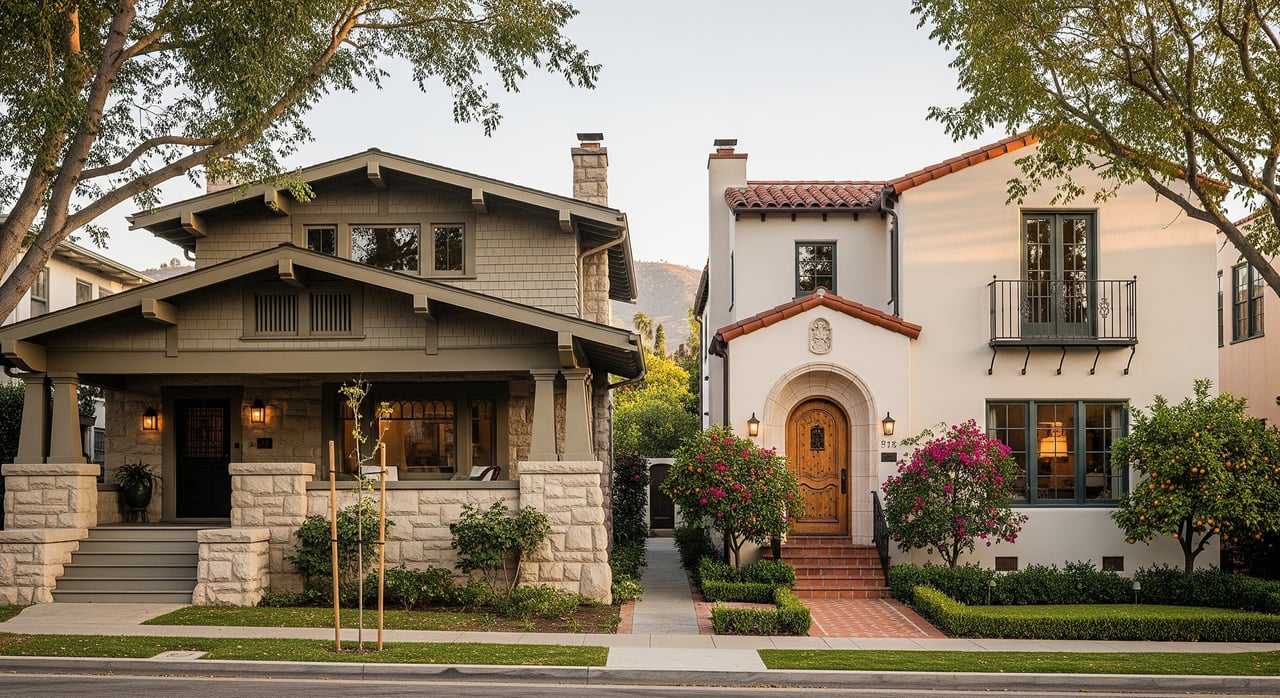
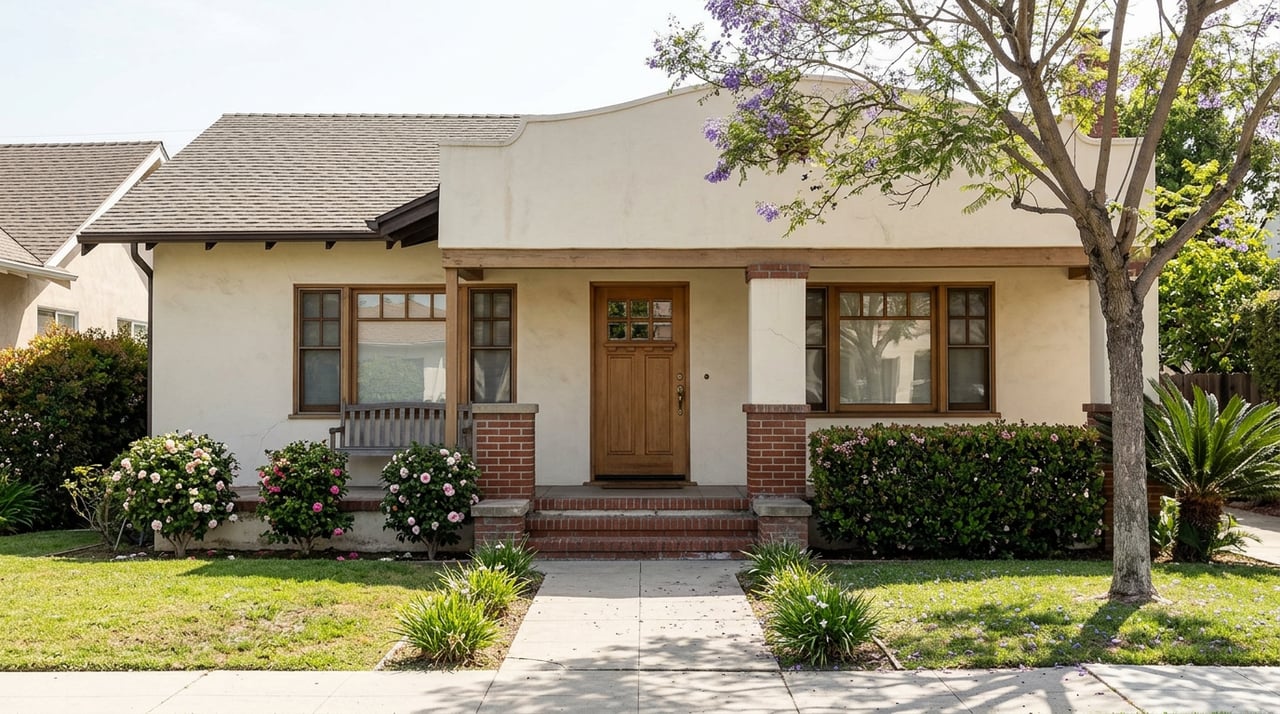
Craftsman homes in Pasadena often date from the early 1900s through the 1920s. Hallmarks include low-pitched gabled roofs with wide eaves and exposed rafters, generous front porches with tapered columns, and extensive use of wood for siding, trim, and built-ins. You will also see multi-pane-over-single-pane windows, hardwood floors, and cozy fireplaces.
The warmth and detail are a big draw, but the heavy use of wood means more frequent exterior care. Many properties also retain original windows, older roofing, and early mechanical and plumbing systems.
Spanish Revival essentials
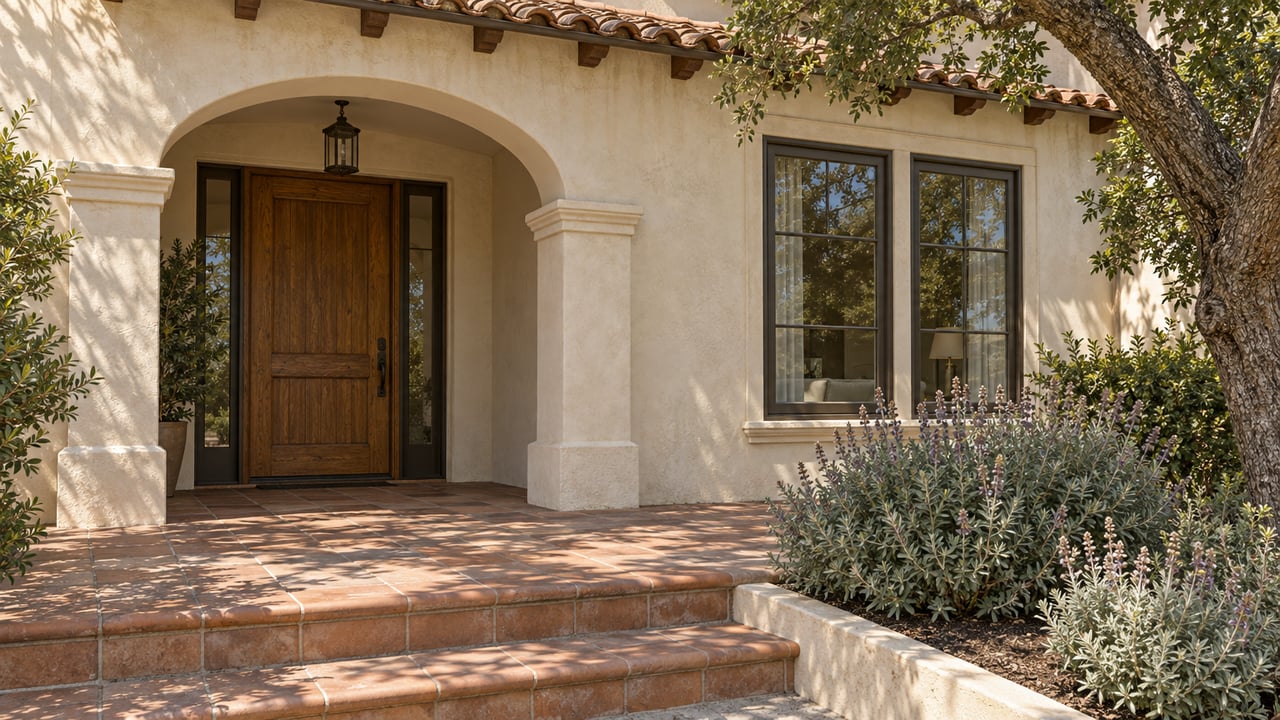
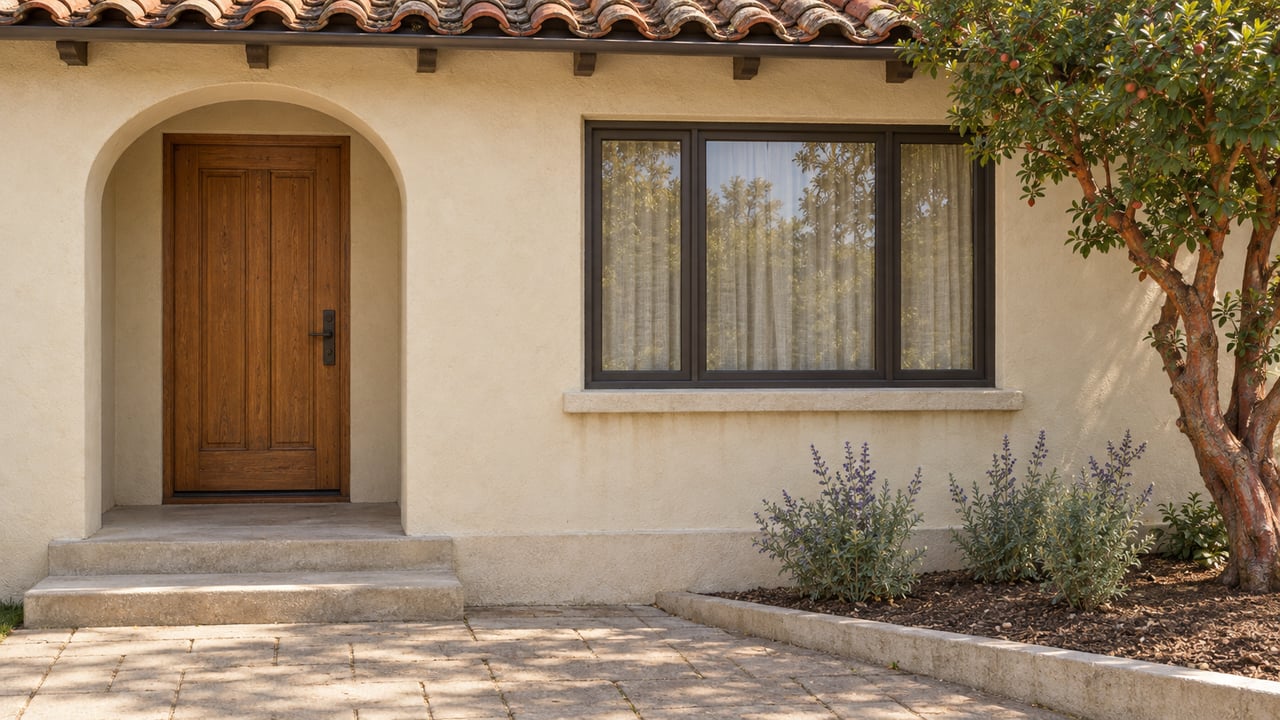
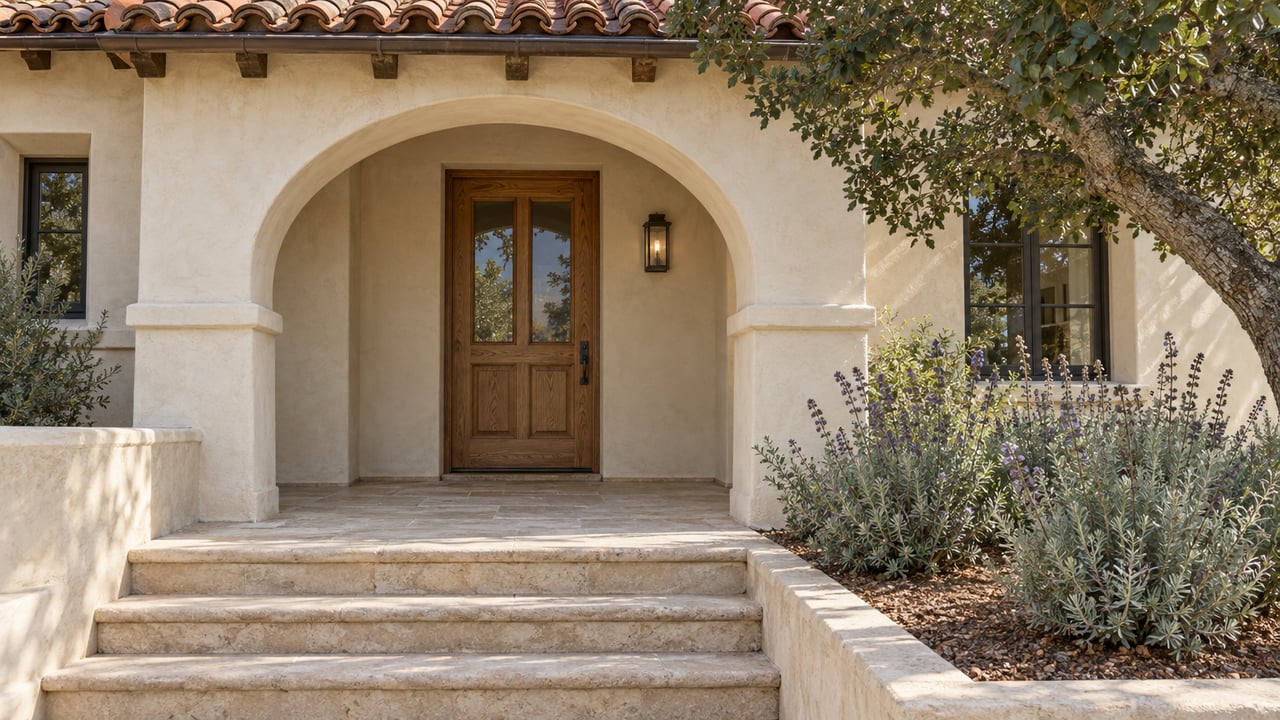
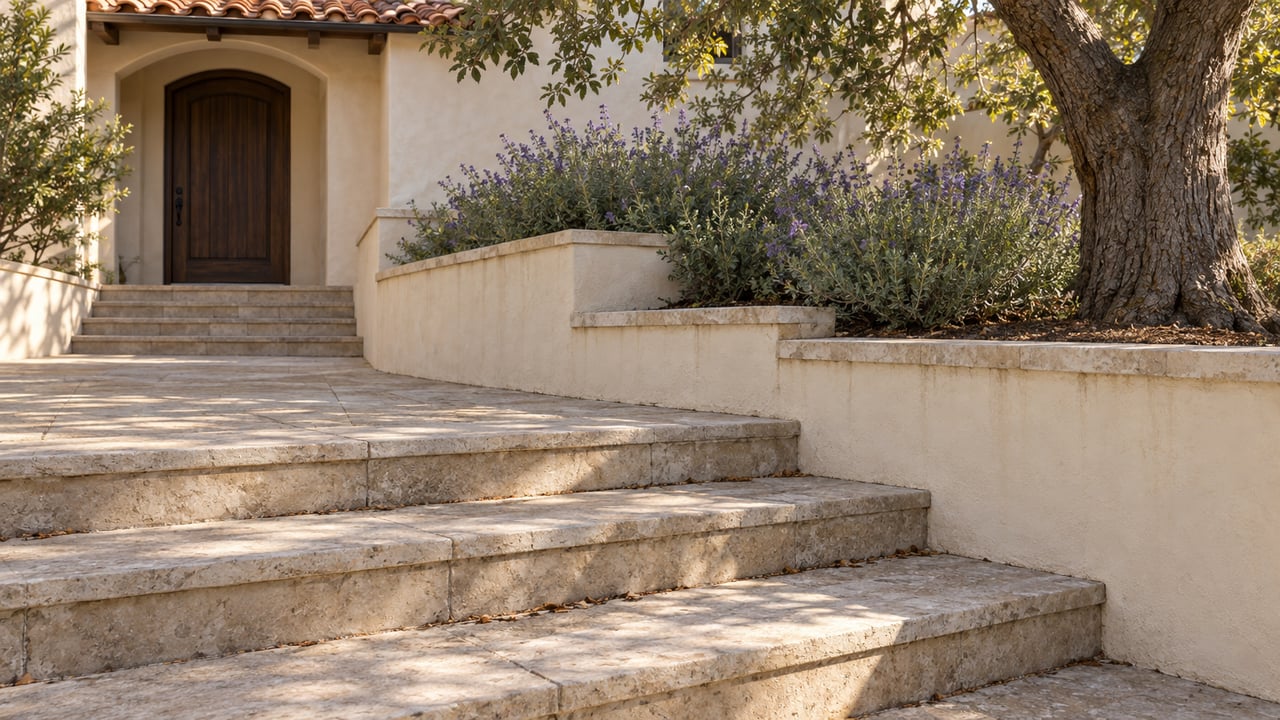
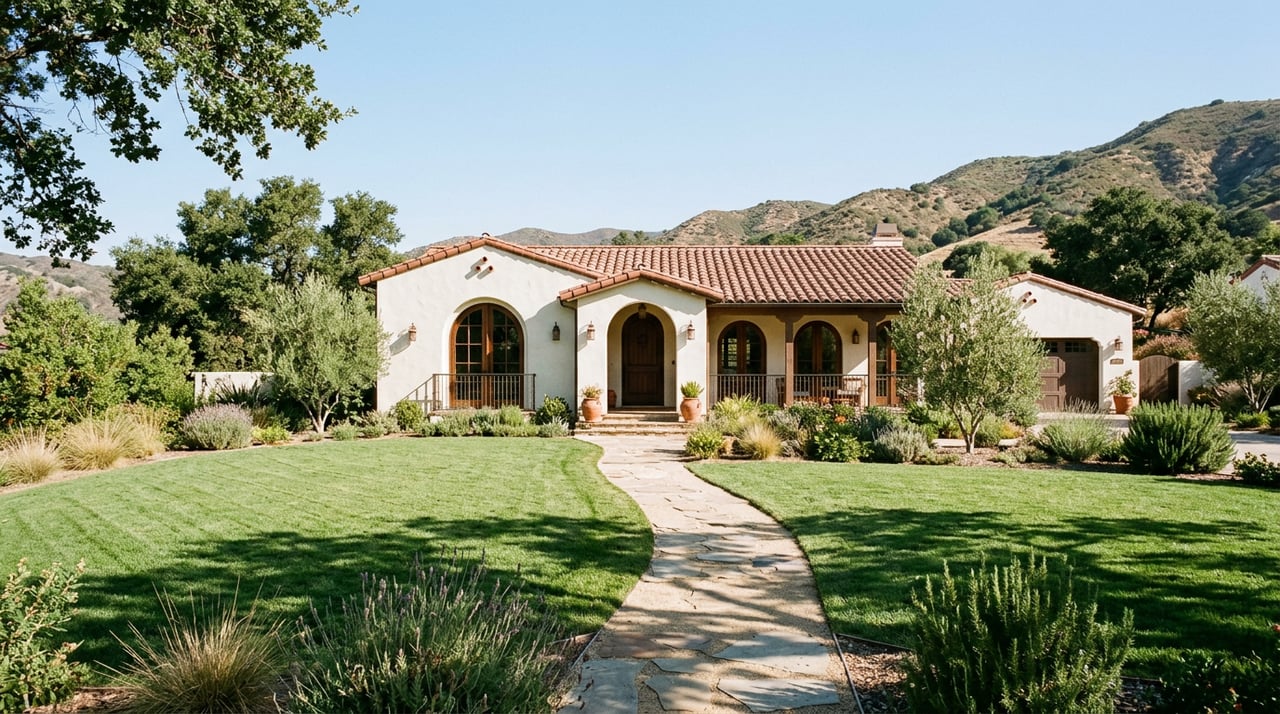
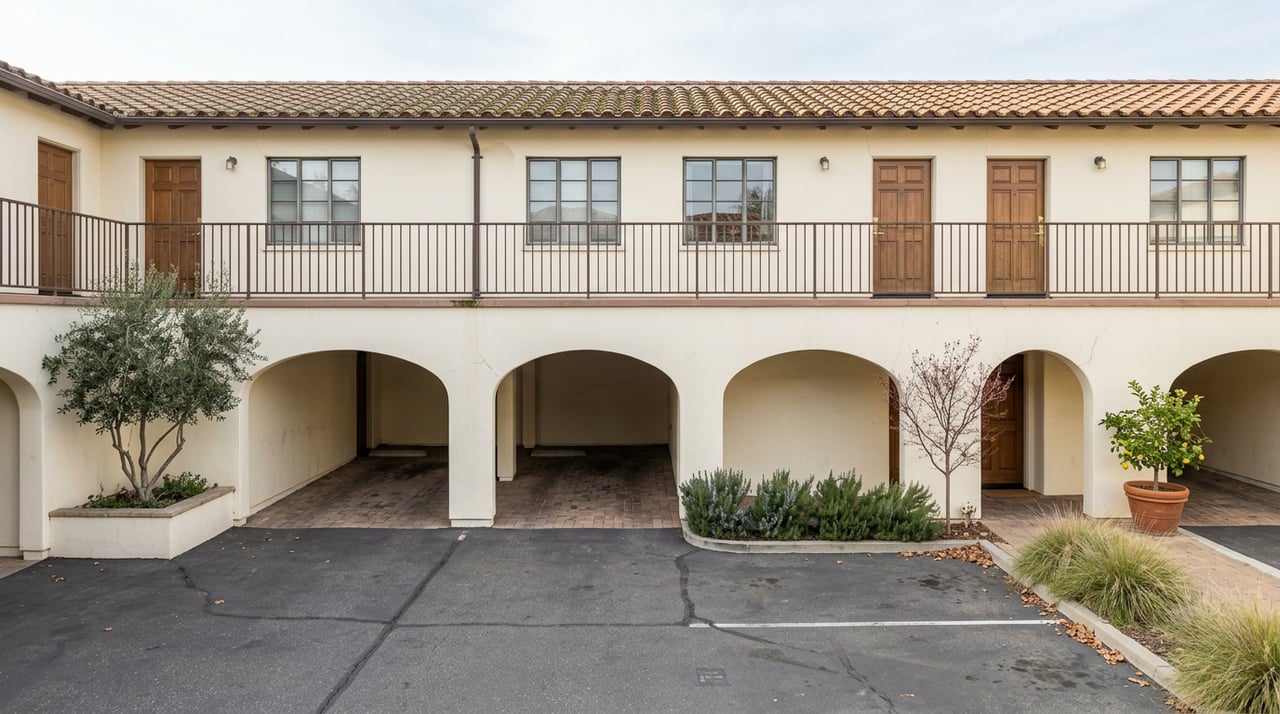
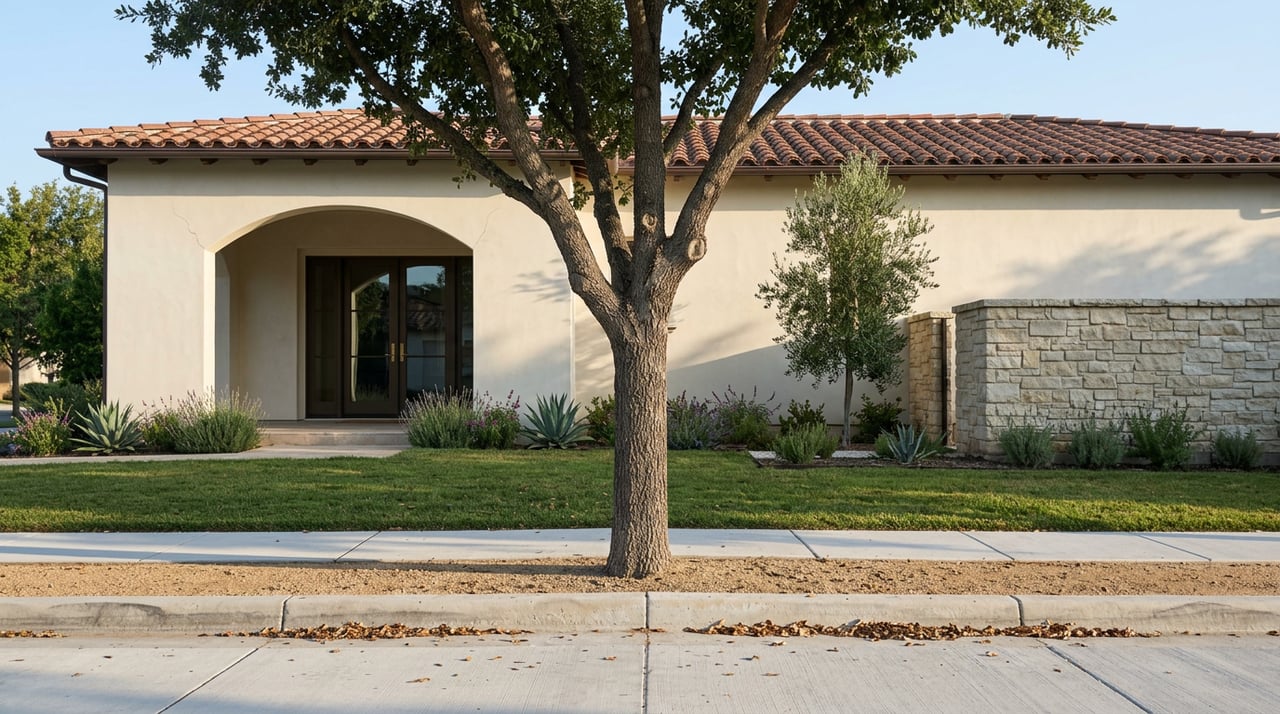
Spanish Revival homes rose in popularity from the 1910s through the 1940s. Expect smooth stucco exteriors, low-pitched clay tile roofs, arched openings, decorative tile, and wrought-iron accents. Windows may be recessed and original units are often wood or steel. Interiors commonly feature plaster walls and tile details.
The materials tend to weather well in our climate, though tile roofs and stucco repairs require specialized trades. Custom arches, ironwork, and period tile can add beauty and cost.
Local context and rules
Pasadena has multiple historic districts and HPOZs. If a home is in one of these areas, exterior changes and some renovations may require review and approval. Many older homes also need seismic bracing, foundation attention, and upgrades to electrical, plumbing, and HVAC systems to meet modern standards. Always check local planning and preservation resources before remodeling.
Upkeep and maintenance costs
Exterior care
- Craftsman: Wood siding and trim typically need repainting or refinishing every 5 to 12 years depending on sun and moisture exposure. Delayed paint leads to rot. Termites are a regional risk, so plan on regular inspections and spot treatments as advised by your contractor or insurer.
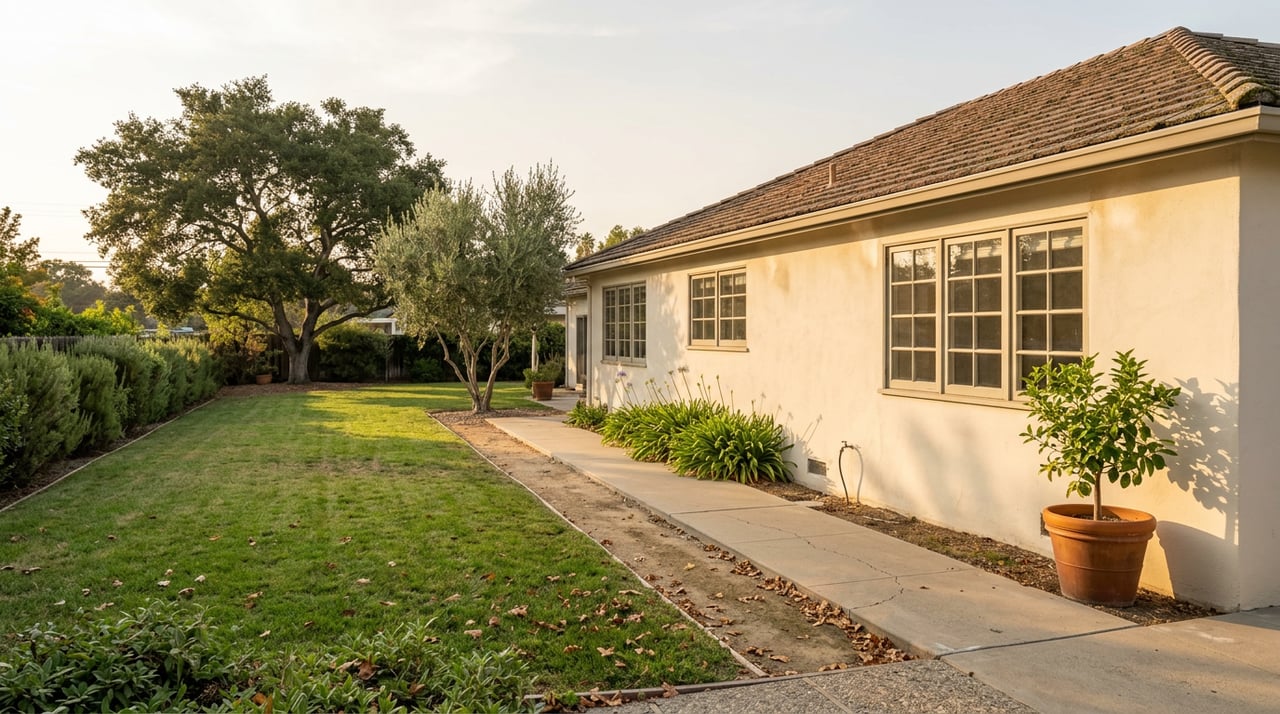
- Spanish Revival: Stucco can last decades but will develop hairline cracks that need patching. If the stucco is painted, expect repainting every 10 to 20 years. The key is proper repair methods that allow the wall to breathe and avoid trapped moisture.
Roof expectations
- Craftsman: Composition shingle roofs often last 15 to 30 years. Wood-shake roofs can reach 20 to 40 years with good maintenance, but they carry higher concerns for fire, rot, and pests, and may face code limitations.
- Spanish Revival: Clay tile is very durable and tiles can last 50 years or more, but the underlayment and flashings require periodic replacement. Re-roofing is more complex due to tile weight and the need for structural verification.
Windows and doors
- Craftsman: Original wood windows contribute a lot of charm. Restoration, including sash repair, reglazing, and weatherstripping, preserves character but takes skilled labor. Replacement with historically compatible high-efficiency units costs more than standard windows.
- Spanish Revival: Original wood or steel windows and heavy wood doors often need restoration. Arched openings and custom sizes increase complexity and cost. Wrought iron grilles and balconies need rust control and repainting over time.
Porches and courtyards
- Craftsman: Porches with wood posts, piers, and built-ins require periodic paint, rot repair, and occasional decking replacement.
- Spanish Revival: Expect routine cleaning of courtyards and decorative tile, plus grout touch-ups and checks for ironwork rust.
Renovation budgets that matter
Below are planning-level ranges. Local contractor bids and permits will determine final budgets.
- Roof replacement
- Clay tile roof: 15,000 to 50,000+ depending on size, tile, underlayment, and structural upgrades.
- Composition or wood shake: 8,000 to 30,000+. Wood shake may face fire-code restrictions.
- Exterior preservation
- Stucco patching and repainting: 2,000 to 15,000+ depending on scope and decorative tile.
- Repainting wood siding and trim: 5,000 to 20,000+ depending on prep and rot repair.
- Window work
- Restoring original wood windows: 500 to 1,500+ per window for repair and weatherstripping.
- Historically compatible replacements: 800 to 2,500+ per window.
- Seismic and foundation
- Bolting and cripple-wall bracing: 3,000 to 10,000+.
- Foundation repair or underpinning: 10,000 to 50,000+ based on severity.
- Kitchen and bath updates
- Midrange kitchen: 30,000 to 80,000+.
- Bathroom: 10,000 to 40,000+.
- Electrical, plumbing, HVAC
- Panel and whole-house rewiring: 5,000 to 25,000+.
- Repiping: 4,000 to 20,000+.
- Adding central HVAC: 8,000 to 25,000+.
Seismic, systems, and safety
Both styles often predate modern seismic codes. A basic retrofit usually includes bolting sill plates to the foundation and bracing cripple walls. This work commonly lands in the low to mid thousands, while major foundation repair can extend into the tens of thousands.
Many older homes still carry knob-and-tube or early cloth-insulated wiring, and some have galvanized plumbing that restricts flow. Upgrading to 100 to 200 amp electrical service and repiping with copper or PEX are common projects. Older properties may lack central air or have undersized systems, so plan for proper HVAC and ductwork that respects the home’s historic fabric.
Energy and comfort upgrades
Energy improvements with minimal visual impact tend to be the best fit for historic homes. Attic insulation, careful wall insulation where feasible, weatherstripping, and efficient HVAC can reduce bills without altering character. For windows, well-executed restoration plus weatherstripping often improves comfort. If replacement is necessary, choose historically compatible units to protect resale value, especially in historic districts.
Resale and buyer fit in Pasadena
Both Craftsman and Spanish Revival homes can command strong prices when they are well maintained and retain key original features. In Pasadena’s historic market, buyers respond to authenticity, updated kitchens and baths that respect the period, and meaningful safety upgrades like seismic work.
- Craftsman buyers often want rich woodwork, front-porch living, and built-in storage. Floor plans may feel more cozy. Fresh exterior paint in a period palette and crisp trim can make a big impact.
- Spanish Revival buyers lean toward courtyard living, tile roofs, and decorative details. Clean stucco, cared-for tile, and functioning courtyards boost appeal.
For both styles, prioritize structural, seismic, and MEP improvements before cosmetic projects. These upgrades help with safety, insurance, lending, and marketability.
What to inspect before you buy
Request a full home inspection and add specialists as needed. For older Pasadena homes, ask for:
- Roof inspection by a roofer experienced with wood shingles or clay tiles.
- Stucco moisture evaluation for Spanish Revival walls.
- Window assessment to compare restoration and replacement options.
- Termite and pest inspection with treatment history.
- Electrical panel check and identification of any knob-and-tube or cloth wiring.
- Plumbing material review for galvanized or other outdated supply lines.
- Foundation and crawlspace inspection for settlement and anchor adequacy.
- Confirmation of any HPOZ or historic status and related exterior review rules.
Annual maintenance budgeting
For older homes, a common rule of thumb is 1 to 3 percent of the home’s value per year for maintenance. Homes with extensive wood or ornate tile may sit toward the higher end. Routine items include roof and gutter cleaning, exterior paint touch-ups, termite inspections, HVAC service, and minor stucco or caulking repairs.
Which style fits your life
- Choose Spanish Revival if you like lower-frequency exterior maintenance and Mediterranean design. Be ready for higher roof-related costs and careful stucco work.
- Choose Craftsman if you love woodwork, built-ins, and porch culture. Expect more frequent painting and vigilant wood care.
- For both, focus first on seismic, foundation, and systems. Authentic finishes paired with modern safety and comfort deliver the best long-term value.
Next steps
Still comparing a specific Craftsman and a Spanish Revival in Pasadena and want a cost and value gut-check? Get a local strategy that balances restoration with smart upgrades and keeps permits and historic rules in view. Connect with Mounika Haftavani to review estimates, plan inspections, and align your search with your budget.
FAQs
What costs more to maintain in Pasadena, Craftsman or Spanish Revival?
- Annual costs vary, but Craftsman homes often need more frequent paint and wood repairs, while Spanish Revival homes can have higher, less frequent roof and stucco specialty costs.
How often should a Craftsman exterior be painted in Pasadena?
- Plan on repainting wood siding and trim every 5 to 12 years depending on exposure and prior prep; touch up trouble spots sooner to prevent rot.
How long do clay tile roofs last on Spanish Revival homes?
- Clay tiles often last 50 years or more, but the underlayment and flashings require periodic replacement, which is the major re-roof cost driver.
What seismic upgrades should I budget for with older Pasadena homes?
- Basic bolting and cripple-wall bracing often runs from the low thousands to the mid thousands, while major foundation repair can reach tens of thousands.
Are historic window replacements worth it for energy savings?
- Many buyers restore original windows with weatherstripping for comfort and authenticity; if replacing, choose historically compatible high-efficiency units to protect value.
What inspections are most important for a Spanish Revival purchase?
- Prioritize a clay tile roof inspection, stucco moisture assessment, window and ironwork review, plus standard checks for electrical, plumbing, foundation, and pests.
What should I update first to help resale in Pasadena?
- Start with seismic and structural needs, then address electrical, plumbing, and HVAC; follow with kitchens and baths that respect the home’s character for the best return.