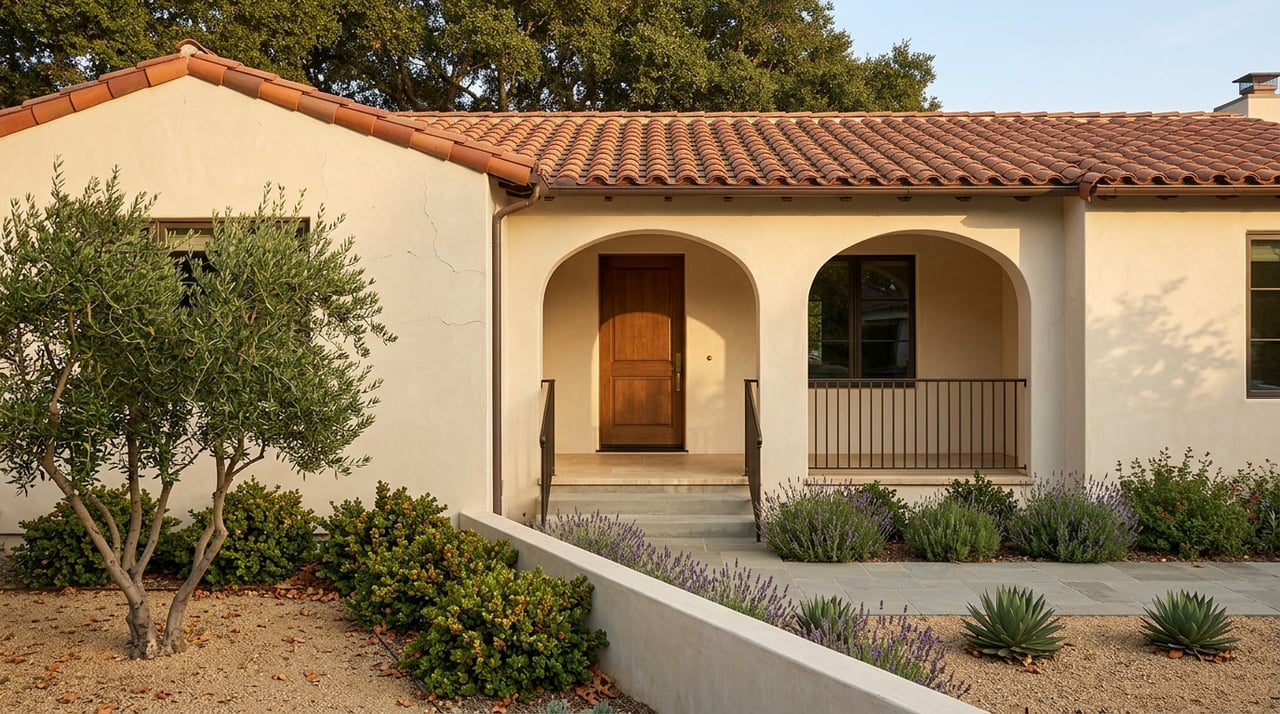
La Crescenta vs Glendale Homes: Choosing Your Best Fit
June 11, 2026
June 11, 2026
Choosing between La Crescenta and Glendale is not just about price. It is about how you want your daily life to feel once the boxes are unpacked. If you are torn between a quieter foothill setting and a more connected city lifestyle, this guide will help you compare the tradeoffs with confidence. Let’s dive in.
At a high level, Glendale and La Crescenta-Montrose offer two different home-base experiences.
Glendale is a larger incorporated city with a broader mix of housing, transit options, and city services. La Crescenta-Montrose, which public sources often group together as one foothill community, is a smaller unincorporated area with a stronger single-family orientation and a more residential feel. That difference shapes everything from inventory to commute style.
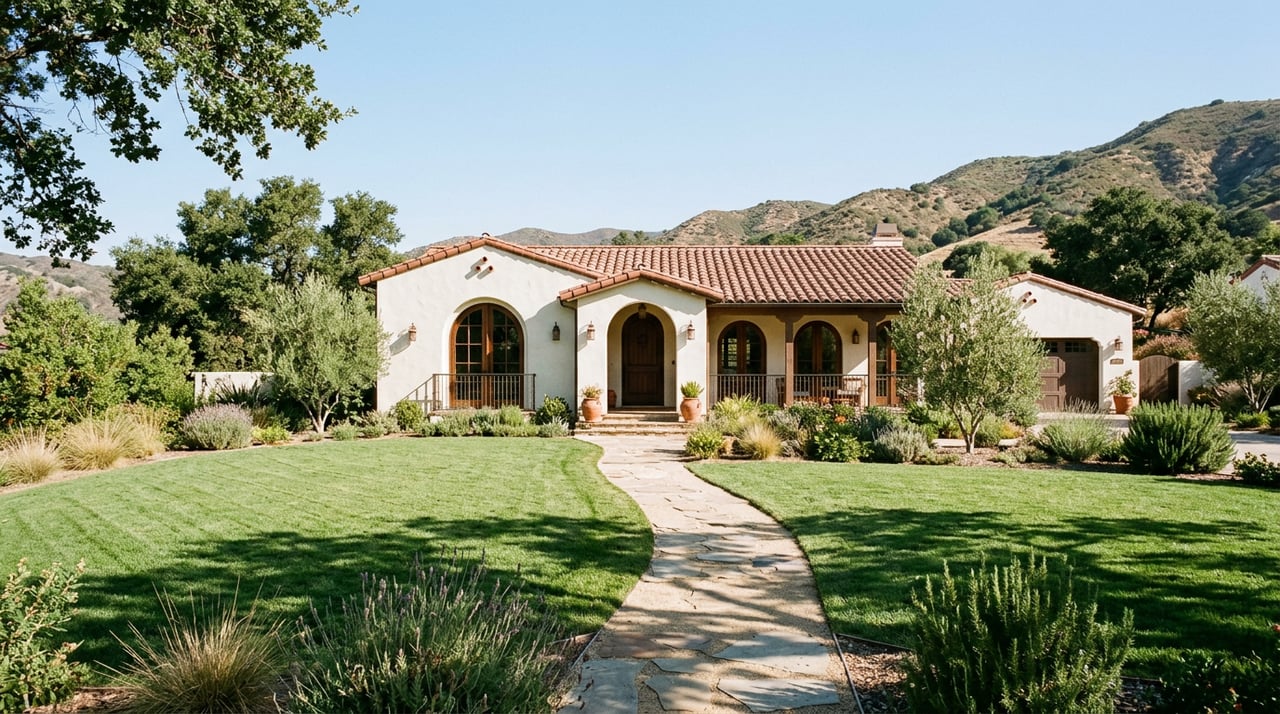
If you want more options and easier access to transportation and mixed-use amenities, Glendale may feel like the better fit. If you want a foothill environment with more detached homes and open-space character, La Crescenta-Montrose may feel more aligned with your goals.
The current numbers show a meaningful contrast between these two markets.
In Realtor.com’s April 2026 snapshot, Glendale had a median listing price of $1.10 million, a median sold price of $1.0 million, 320 homes for sale, and 35 days on market. The market was described as balanced.
La Crescenta-Montrose showed a median listing price of $1,548,500, a median sold price of $1,257,500, 27 homes for sale, and 43 days on market in the same period. The area was described as a seller’s market.
That tells you two important things right away. First, La Crescenta-Montrose is a tighter market with less inventory. Second, Glendale gives you a wider range of entry points because it includes more condos, townhomes, and other multifamily housing types citywide.
If you are a buyer who wants flexibility, Glendale may offer more paths into the market. The city’s wider housing mix can create more options across different budgets and property styles.
If you are focused on detached homes in a foothill setting, La Crescenta-Montrose may still be worth the premium and competition. You just need to be prepared for fewer available listings and a market that can move in the seller’s favor.
If you own in La Crescenta-Montrose, tight inventory can support stronger leverage when your home is priced and presented well. A seller’s market does not guarantee a result, but it can create favorable conditions.
If you own in Glendale, your strategy may depend more heavily on your exact submarket and property type. Glendale is not one single price band, and neighborhood-level pricing varies widely across the city.
One of the clearest differences between Glendale and La Crescenta-Montrose is the housing stock.
According to Glendale’s housing-element background report, the city’s 2020 housing stock was majority multifamily. About 52.6% was in buildings with five or more units, 8.6% was in two-to-four-unit buildings, 34.4% was single-family detached, and 4.4% was single-family attached.
La Crescenta-Montrose looks very different. Los Angeles County reports that the area has 7,375 housing units, with 76.5% single-family homes and 22.2% multifamily, and more than 82% of the land area is single-family residential.
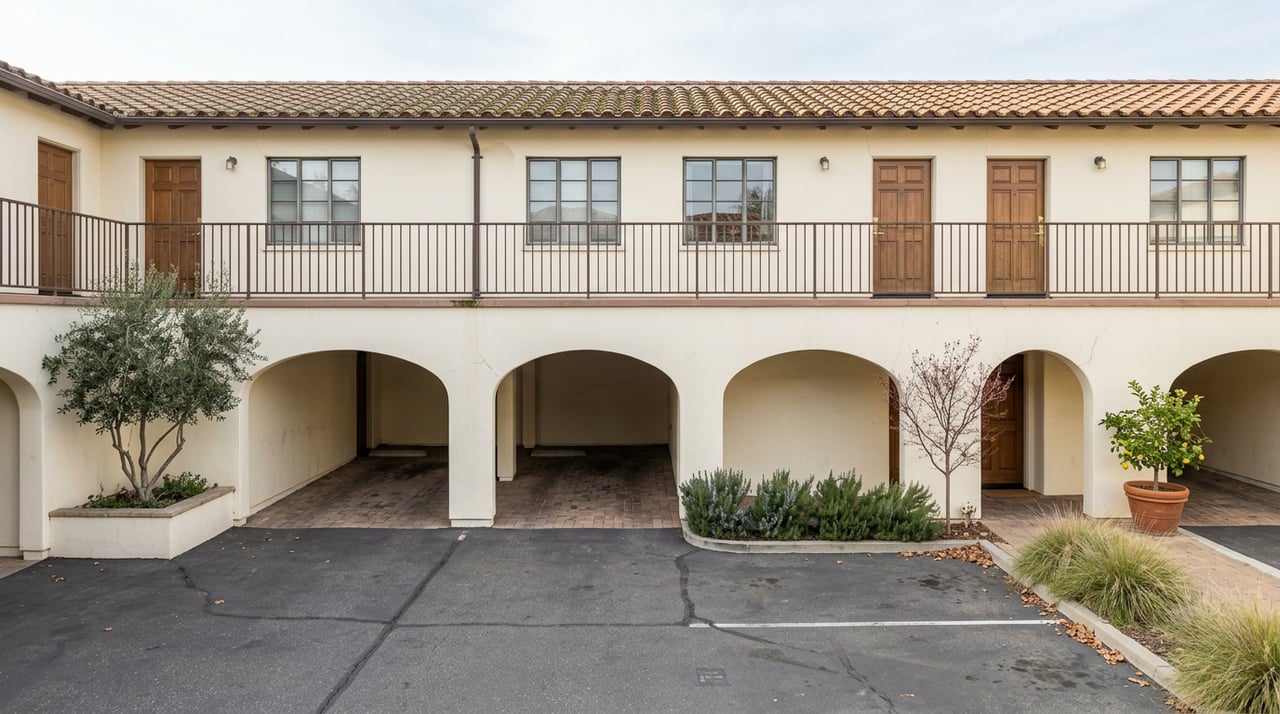
That difference matters because housing stock shapes your search. In Glendale, you are more likely to find condos, townhomes, apartments, and a broader spread of home styles. In La Crescenta-Montrose, the market is much more centered on detached houses.
If you are a first-time buyer, investor, or someone who wants lower-maintenance options, Glendale may give you more inventory to work with. The city’s larger housing base also means you can compare different lifestyles within one market.
It is also important to think of Glendale as a city of submarkets. Public market snapshots show neighborhood-level listing prices ranging from the $700,000s in areas like City Center and Verdugo Viejo to the mid-$1 million range in Rossmoyne and above $1.7 million in Chevy Chase.
If you picture a foothill home base as a detached house on a more residential street, La Crescenta-Montrose naturally aligns with that vision. The area’s housing pattern is much more single-family focused.
The housing stock is also older. County data says 83% of homes were built before 1979, and less than 1% was built since 2010. For you, that can mean mature neighborhood character, but it can also mean more renovation or maintenance considerations when comparing homes.
Your ideal home base should support your real life, not just your wishlist.
Glendale has the stronger multimodal transportation setup. The city says it sits at the center of four major freeways, I-5, SR-2, SR-134, and SR-210, and operates the Beeline bus system with 13 routes. Glendale also has the Larry Zarian Transportation Center, serving Amtrak, Metrolink, Greyhound, Metro, and Beeline connections.
La Crescenta-Montrose is more car-oriented. Los Angeles County notes that the area sits north of I-210 and is primarily served by Foothill Boulevard and Honolulu Boulevard. County data based on ACS 2021 estimates shows 78.90% of commuters drive alone, 0.35% use public transit, 4.93% bike or walk, and 53.81% have commute times above 30 minutes.
If your week depends on rail access, bus options, freeway flexibility, or easier regional connections, Glendale stands out. That can be especially helpful if you split your time across Downtown Los Angeles, Pasadena, Burbank, or other nearby job centers.
Glendale may also feel easier if your lifestyle involves frequent dining, errands, and mixed-use destinations close to home. Its transportation framework supports a more connected day-to-day rhythm.
If you are comfortable organizing life around the car, La Crescenta-Montrose can still be a very practical choice. The tradeoff is that the area feels more residential and less transit-oriented.
For many buyers, that is the point. If you want a foothill base with a quieter pace and are comfortable with driving as part of daily life, this area may feel more natural.
Glendale and La Crescenta-Montrose differ not only in homes and transportation, but also in how the communities function.
Glendale is a full-service incorporated city. The city highlights transportation, water and electrical services, and a wide range of civic functions, along with proximity to Downtown Los Angeles, Pasadena, Burbank, Hollywood, and Universal City.
La Crescenta-Montrose is an unincorporated Los Angeles County community. County services cover functions such as law enforcement, firefighting, trash collection, road maintenance, and parks. County materials also point to the Rosemont Preserve and the area’s border with the San Gabriel Mountains and Angeles National Forest, reinforcing its foothill and open-space identity.
Neither setup is inherently better. The better fit depends on whether you want a larger city environment with broader infrastructure or a county-served foothill community with a more residential tone.
If you are still weighing both areas, use these questions to clarify your priorities.
There is no universal winner here. The right choice depends on how you balance budget, home type, commute needs, and the kind of daily environment you want.
Glendale often makes sense if you want flexibility, connectivity, and a wider range of housing options. La Crescenta-Montrose often makes sense if you are drawn to detached homes, a quieter foothill setting, and a more residential pace.
If you want help comparing specific homes, price points, or submarkets in Glendale and the Verdugo foothill area, Mounika Haftavani can help you make a clear, confident move.
Stay up to date on the latest real estate trends.
Mounika thrives on helping her clients realize their goals by taking the time to explain the process and being the person they can trust when making one of the most important investments of their lives.