The Rinaldi Street Line: What Granada Hills' Median Price Doesn't Tell You
September 24, 2026
September 24, 2026
A buyer's agent pulls comps for a three-bedroom ranch home a half-mile north of Rinaldi Street. The comp set includes a sale from four blocks south of Chatsworth Street. Both addresses say "Granada Hills." Both show up under the same neighborhood filter on every portal. The appraisal comes back low, the deal wobbles, and nobody on the transaction can quite explain why two homes with similar square footage landed $200,000 apart.
The explanation is sitting in a city planning document most buyers never open. Granada Hills isn't one housing market wearing one median price. It's at least two, split by a street that Los Angeles zoned differently on purpose, decades ago, for reasons that still shape what your money buys today.
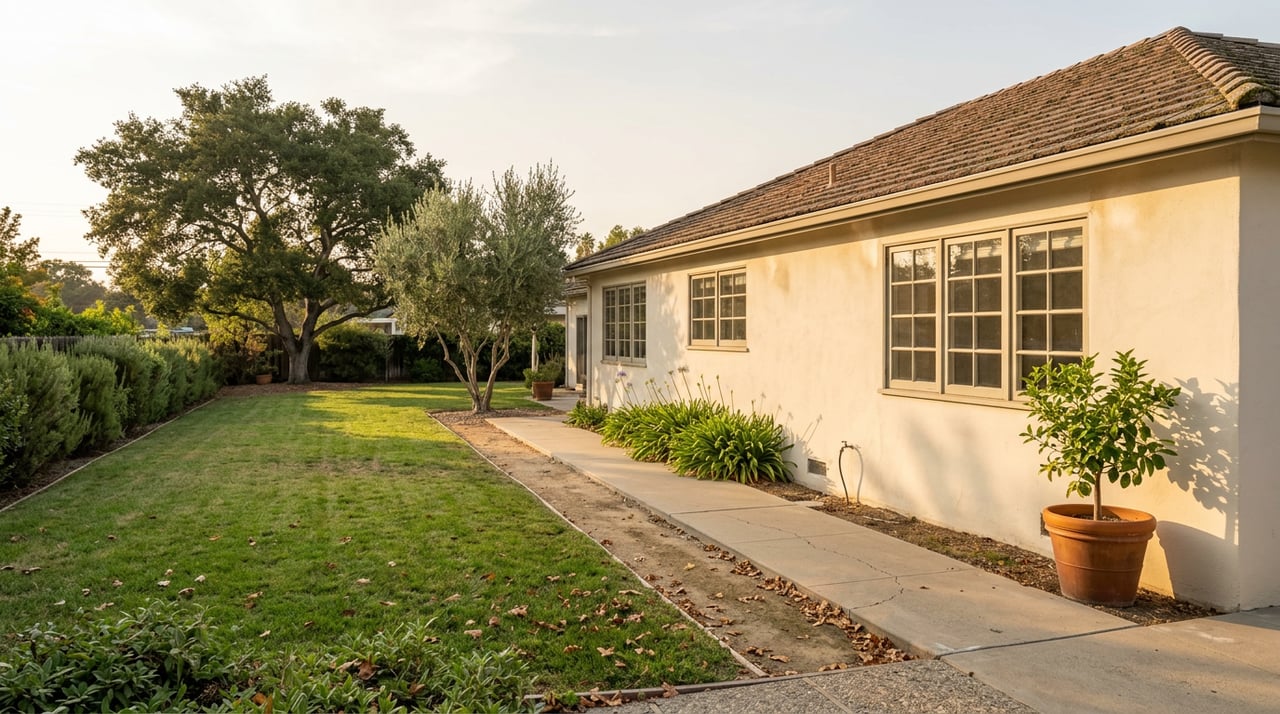
Rinaldi Street isn't just a street name on a map. According to the Los Angeles Department of City Planning's Granada Hills-Knollwood Community Plan, the area north of Rinaldi still carries large, semi-rural lots with horse-keeping rights, vacant hillside parcels, and equestrian trails threading through the neighborhoods and into the hills. South of Rinaldi, the community gets denser and more built out, with the small-scale commercial district along Chatsworth Street functioning as the neighborhood's Main Street.
This isn't informal neighborhood lore. The area is governed by the Granada Hills-Knollwood Equinekeeping "K" Supplemental Use District, a zoning overlay the city established under Ordinance 151,602 and later revised through a formal Community Plan update. The "K" designation exists specifically to preserve horse-keeping and semi-rural character on the parcels north of Rinaldi. It's a real, codified line, not a marketing distinction, and it explains why the housing stock changes character almost the moment you cross the street.
The northern half of the community plan area also holds most of the neighborhood's open land: O'Melveny Park, the second-largest park in the city of Los Angeles, sits up there, along with the county-owned Knollwood Golf Course, Zelzah Park's equestrian staging areas, and Bull Creek, a tributary that runs down from the Santa Susana Mountains. That geography is part of why the north stayed spread out while the flatter southern half filled in with tract housing through the 1950s and later infill near the commercial corridors.
Once you know where the line sits, the neighborhood sorts itself into three distinct price bands rather than one blended number. Local sales patterns in 2026 show a rough breakdown like this:
| Zone | Typical Lot Size | Housing Character | 2026 Price Band |
|---|---|---|---|
| North of Rinaldi (Equinekeeping "K" District) | Often 15,000 sq ft and up, semi-rural parcels | Mix of older equestrian estates and hillside development since the 1980s | Roughly $900,000 to $1.2 million+ |
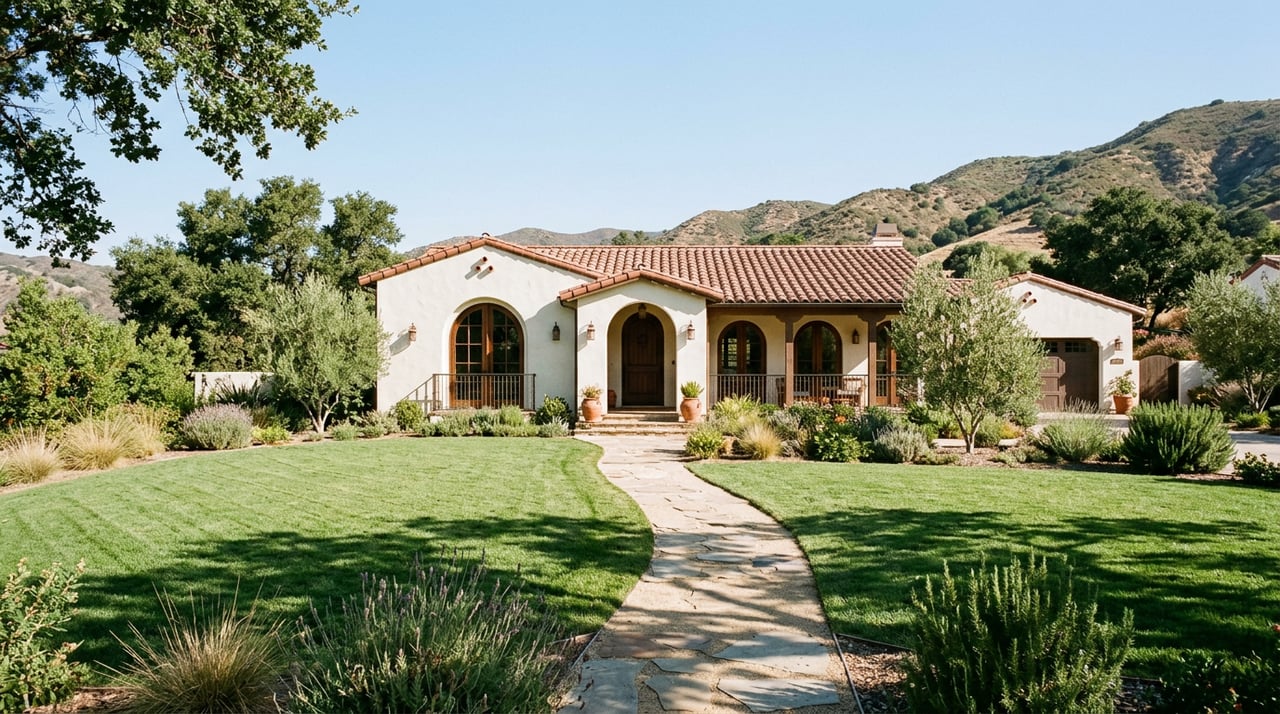
| Mid Granada Hills (Rinaldi to Chatsworth) | Standard 10,000 to 14,000 sq ft lots | Predominantly 1950s and 1960s single-story ranch construction | Roughly $750,000 to $950,000 |
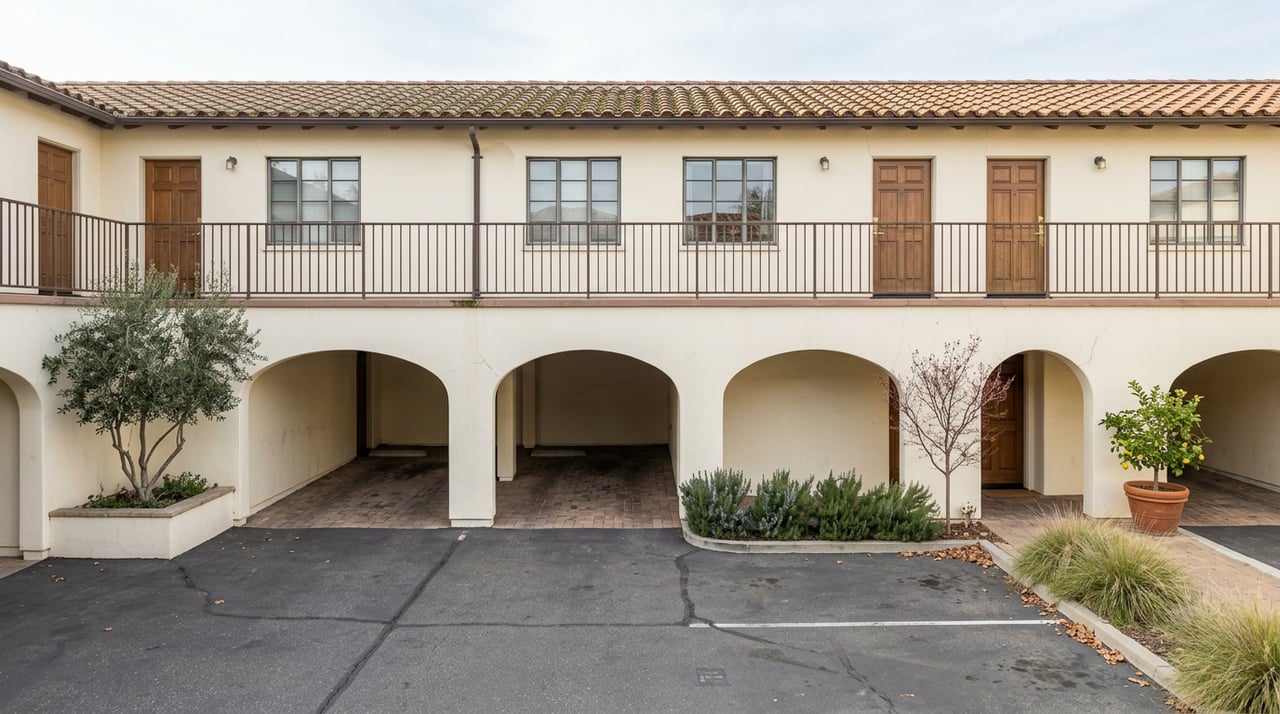
| South of Chatsworth Street | Smaller lots, some multi-family and condo pockets | Mixed ages, denser infill near the commercial corridor | Roughly $650,000 to $800,000 |
These aren't official city figures. They're the pattern that emerges when you look at where recent sales actually cluster relative to the K district boundary rather than at a single citywide number. But the pattern holds up against what the zoning history predicts: bigger, semi-rural lots command a premium in the north, and proximity to Chatsworth Street's commercial strip pulls prices down in the south, where lots shrink and density rises.
If you've already searched Granada Hills online, you've probably noticed the median price depends entirely on which site you're looking at. As of mid-2026, one major tracker put the trailing three-month median sale price at $1.0 million, down slightly from a year earlier, with median price per square foot around $548. Another tracker's average home value estimate for the same period landed closer to $939,000. A third reported a median sold price of $1.1 million for June 2026, with homes taking an average of 47 days to sell, up from 33 days the year before. A fourth estimate, using a different valuation methodology, put the figure above $1.2 million.
None of these numbers is wrong. They're measuring different slices of the same split market. A tracker weighted toward the smaller, faster-turning homes south of Chatsworth will land lower. One that captures more of the large-lot sales north of Rinaldi will land higher. Average and median diverge further because a handful of high-value equestrian-zone sales can pull an average up without moving the median, which is driven by whichever price band has the most transaction volume in a given month.
The practical takeaway isn't that one source is right and the others are wrong. It's that none of them tell you which side of Rinaldi Street a given number describes, and that's the question that actually determines what a specific address is worth.
The mid-band, the 1950s and 1960s ranch homes on standard 10,000 to 14,000 square foot lots between Rinaldi and Chatsworth, carries a specific advantage that's easy to miss if you're only comparing price tags.
California's accessory dwelling unit rules changed again as of January 1, 2026. Under SB 543, the size of a state-exempt detached ADU is now measured by interior livable space only, excluding exterior walls and stairs, which effectively increases the usable square footage a homeowner can build within the same size cap. Cities also can't impose a minimum lot size to block an ADU application, and local agencies now have to issue a completeness determination within 15 business days or the application is automatically deemed complete. A detached ADU can still run up to 1,200 square feet on most single-family lots.
That combination favors the mid-band lots specifically. The large equestrian parcels north of Rinaldi often already have their buildable yard space committed to horse facilities, trail access, or setback requirements tied to the "K" district's own conditions. The smaller lots south of Chatsworth leave less room after standard setbacks are applied. The 10,000 to 14,000 square foot ranch lots in between tend to have both the space and the zoning flexibility to add a legitimate second unit, whether that's rental income, a space for extended family, or a home office separated from the main house.
None of this is legal or financial advice, and every lot has its own constraints. Anyone weighing an ADU should confirm the parcel's actual zoning and any overlay conditions through the Los Angeles City Planning Department before assuming a project pencils out.
Does the Equinekeeping "K" District mean I have to own a horse to buy there? No. The designation preserves the right to keep horses on qualifying parcels, but it doesn't require it. It does mean any owner on a "K" district lot should understand the associated setback and accessory structure conditions, since those apply regardless of whether horses are part of the plan.
Can I still build an ADU on a lot inside the "K" district? State ADU law generally overrides local minimum lot size rules, so the answer is often yes. But the district's own supplemental conditions on setbacks and animal enclosures can affect where on the lot you're actually allowed to build. That's worth confirming with the city before assuming a standard ADU layout will fit.
Granada Hills rewards buyers who know which version of the neighborhood they're actually shopping in. The median price is a starting point, not the answer, and the answer usually comes down to a street name most listings never mention.
If you're comparing Granada Hills against another Valley or foothill neighborhood and want a read on what a specific address actually buys, Mounika Haftavani can walk through the zoning, the comps, and the lot-specific details before you write an offer. Schedule a free consultation. Let's talk about your next move.
Stay up to date on the latest real estate trends.
Mounika thrives on helping her clients realize their goals by taking the time to explain the process and being the person they can trust when making one of the most important investments of their lives.